
 01
01Genuine exam realism
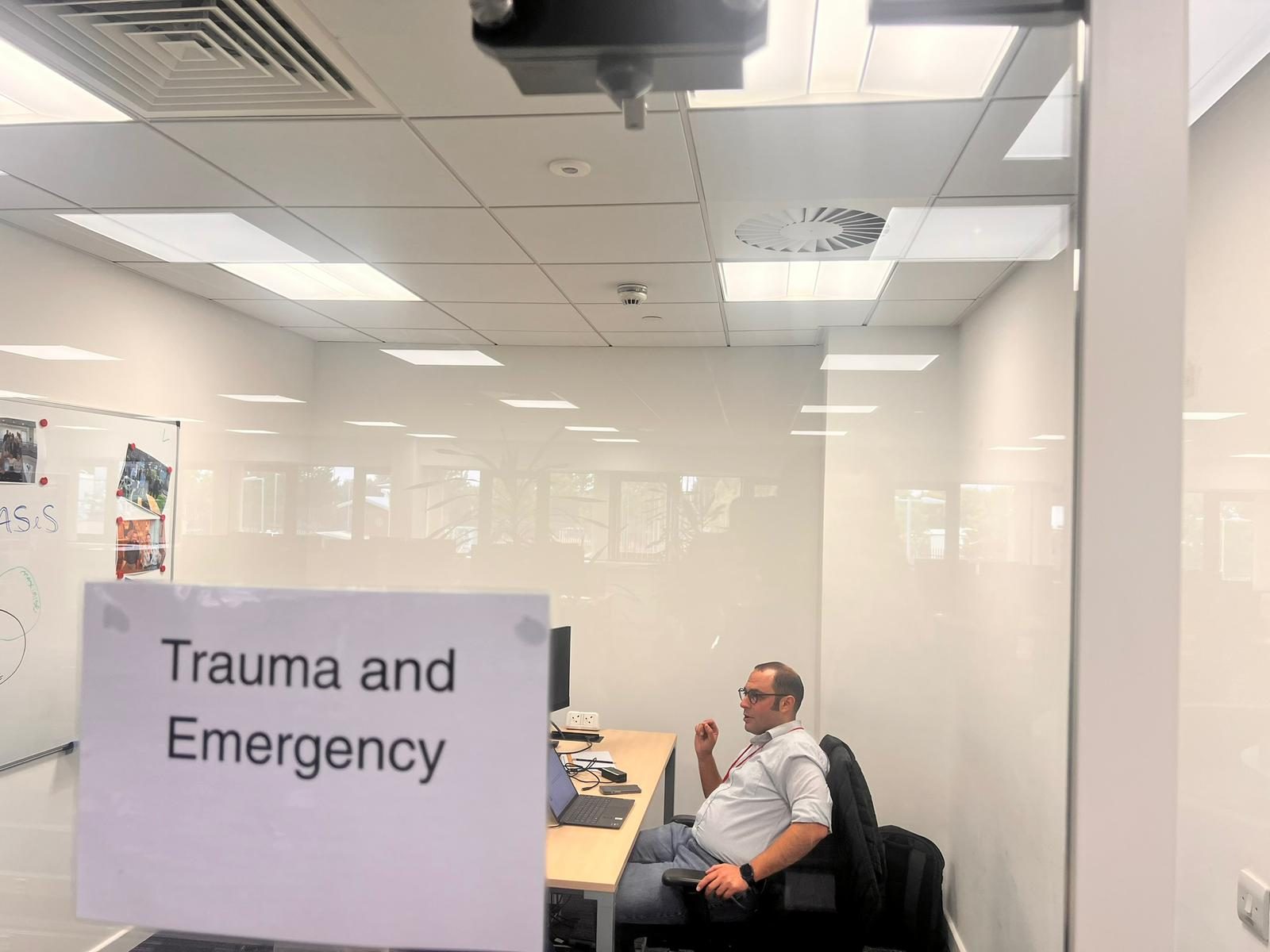
A full station-based circuit, a 1:1 examiner ratio and strict time-keeping reproduce the real JCIE FRCS Section 2 day — repeatedly described by candidates as the closest replication of the examination available to them.
Founded by a surgeon to close a real gap in training — the story, the mission and the people behind the course.
The course was founded by Mr Bassem Amr, Consultant Bariatric and Upper GI Surgeon at University Hospital North Durham, who saw capable trainees meet the full viva circuit for the first time in the room that decides everything — and decided to build the room beforehand.
What began as a regional initiative in the North East — six faculty, one conviction — has grown, cohort after cohort, into a programme delivered across the North of England, examined by the surgeons who set the standard and the surgeons who passed it last year. The mission has never changed: that no surgeon should sit in the chair for the first time on the day it counts.
A regional idea, born in the North East to fix a real gap in viva preparation.
Demand outgrew the region. The name expanded to match the reach — and the ambition.
The FRCS Section 2 is the final clinical and oral hurdle of UK higher surgical training — and one of its most demanding. Yet for too many trainees, the first time they face a full circuit of vivas under realistic conditions is on the day of the exam itself.
Knowledge alone does not pass this exam. Candidates must demonstrate safe, structured, guideline-aware decision-making, delivered with confidence under unrelenting time pressure, across the entire breadth of the curriculum.
High-fidelity mock viva opportunities remain scarce. This course was built to close that gap — so that the day of the exam is never the first time you have sat in the chair.
Four principles separate this course from generic preparation, and they are the reasons candidates rate it the way they do.
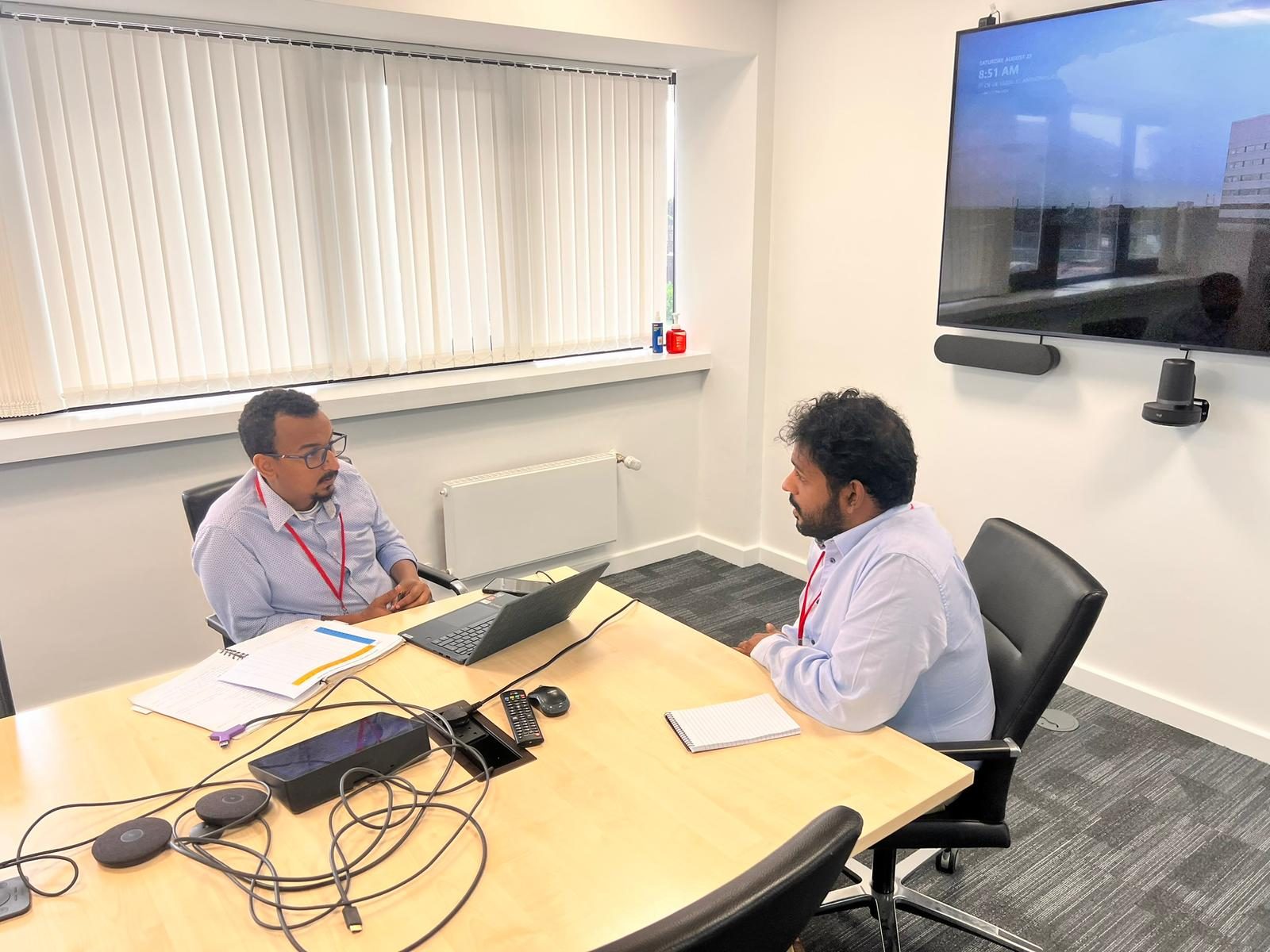
01A full station-based circuit, a 1:1 examiner ratio and strict time-keeping reproduce the real JCIE FRCS Section 2 day — repeatedly described by candidates as the closest replication of the examination available to them.
 02
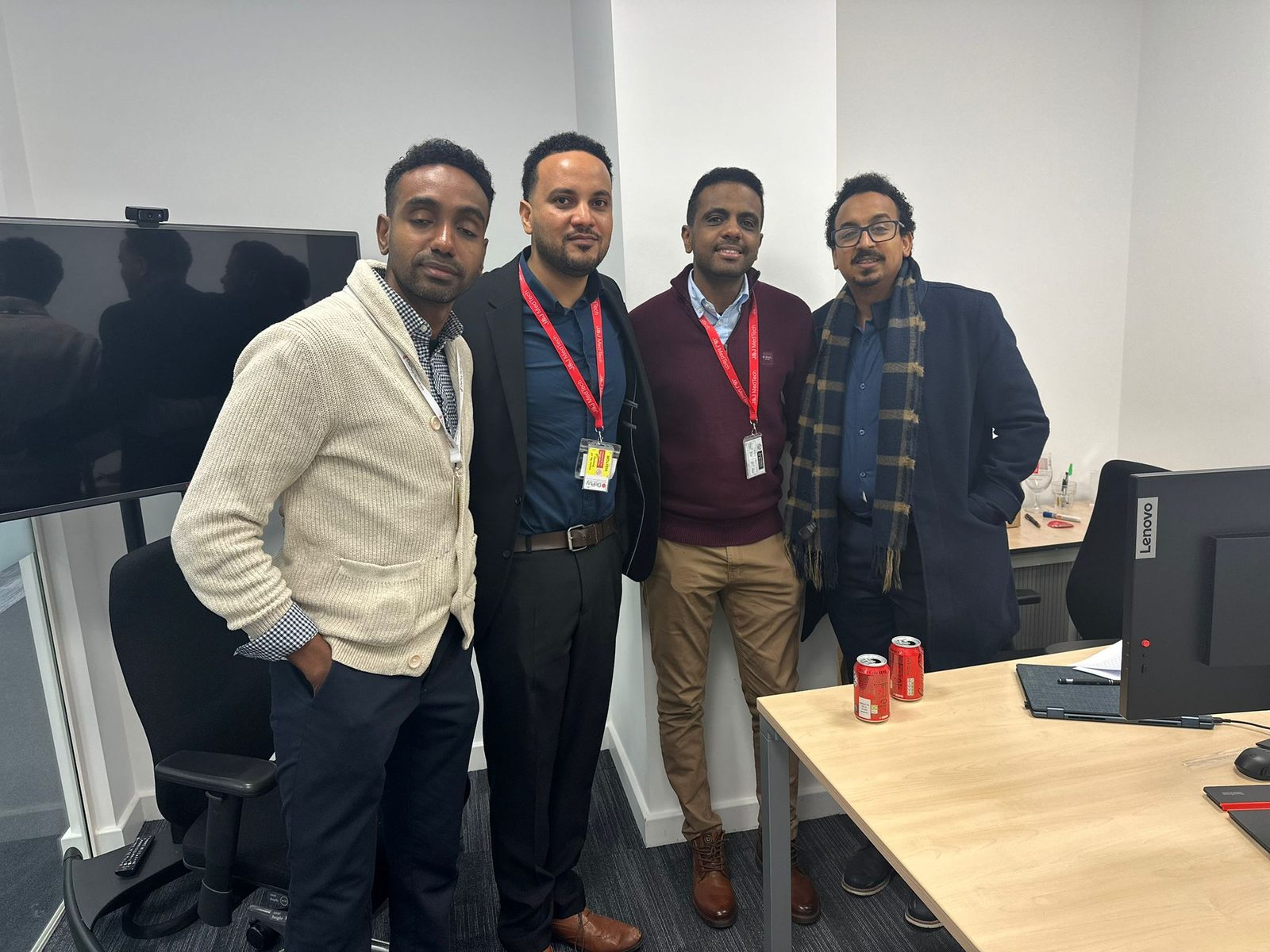
02Established consultant and subspecialty surgeons calibrate to the exam standard, while recently-successful candidates — within 12–18 months of passing — bring a current, lived view of exactly what the exam demands.
 03
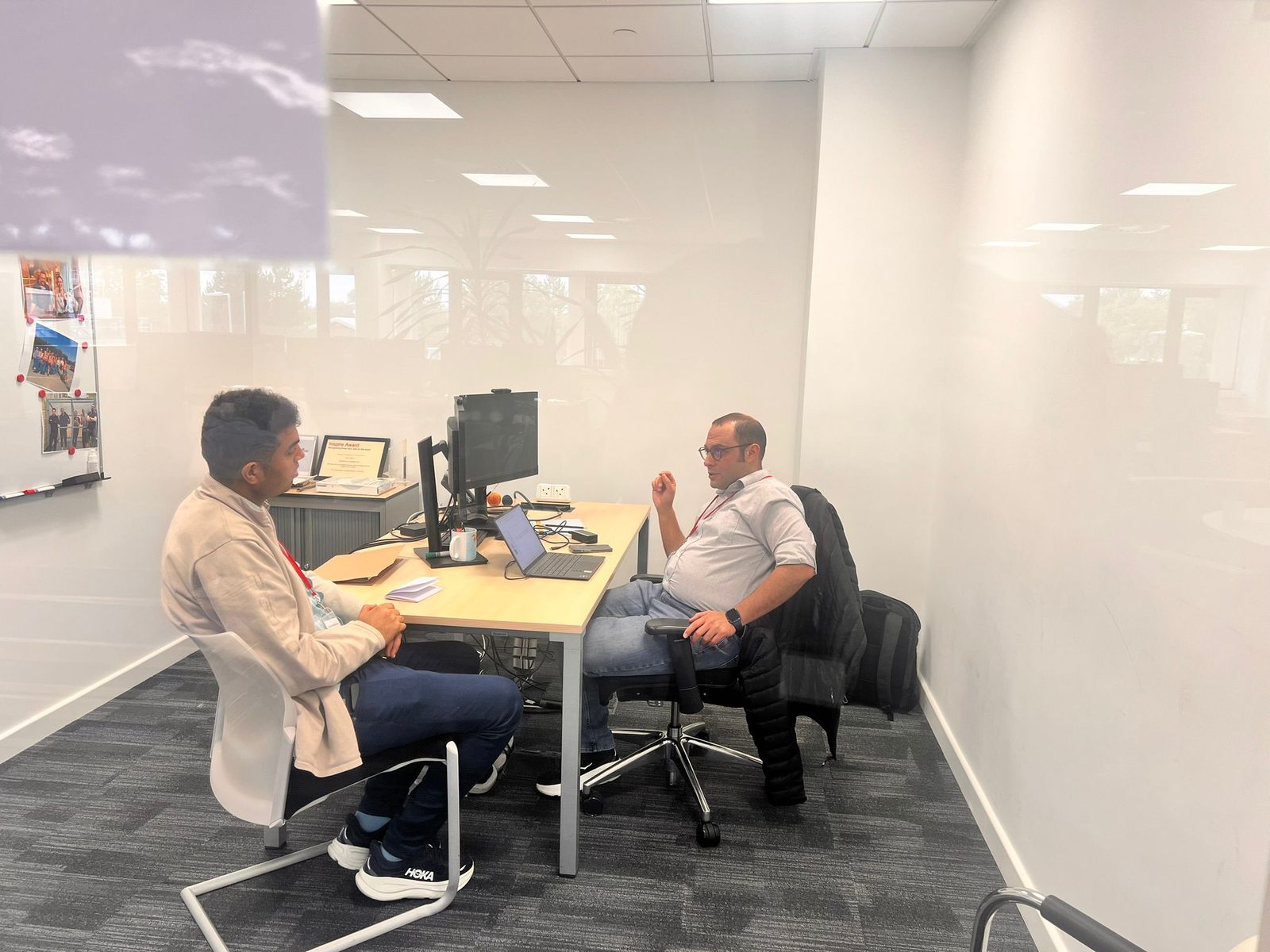
03Our most valued feature: targeted feedback on examination performance — structure, prioritisation, guideline use, pacing and communication — showing the precise changes that move an answer from borderline to a clear pass.
 04
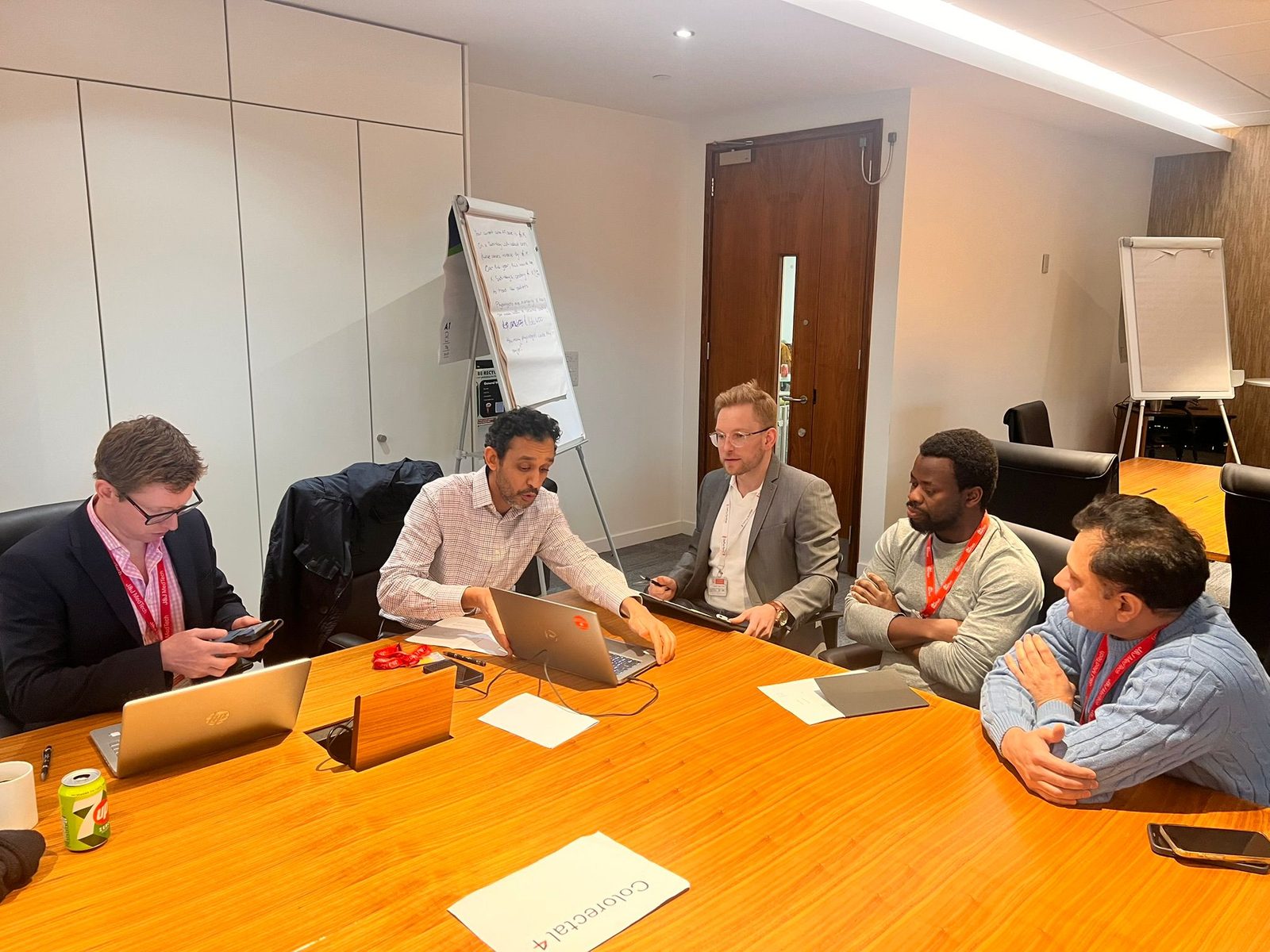
04Day-two breakouts let candidates work in small groups within their declared subspecialty — UGI/HPB, colorectal, breast and endocrine — so even less common backgrounds are fully served, not underserved.
Official Educational Partners
 Smart FRCS
FRCS General Surgery education platform, founded by course faculty member Mr Mohamed Alasmar.
Smart FRCS
FRCS General Surgery education platform, founded by course faculty member Mr Mohamed Alasmar.
 Higher FRCS
Exam-preparation partner supporting candidates through the Section 2 pathway.
Higher FRCS
Exam-preparation partner supporting candidates through the Section 2 pathway.
 Grab the FRCS
Revision resource founded and edited by course faculty member Mr Khalid Bhatti.
Grab the FRCS
Revision resource founded and edited by course faculty member Mr Khalid Bhatti.
The Association of Laparoscopic and Robotic Surgeons of Great Britain & Ireland. The course has been featured in the ALRSGBI Winter Newsletter 2026, which independently published our candidate feedback data.
Educational partners and institutional affiliation are listed separately and describe collaboration and support only. They do not constitute accreditation or endorsement of the course.