
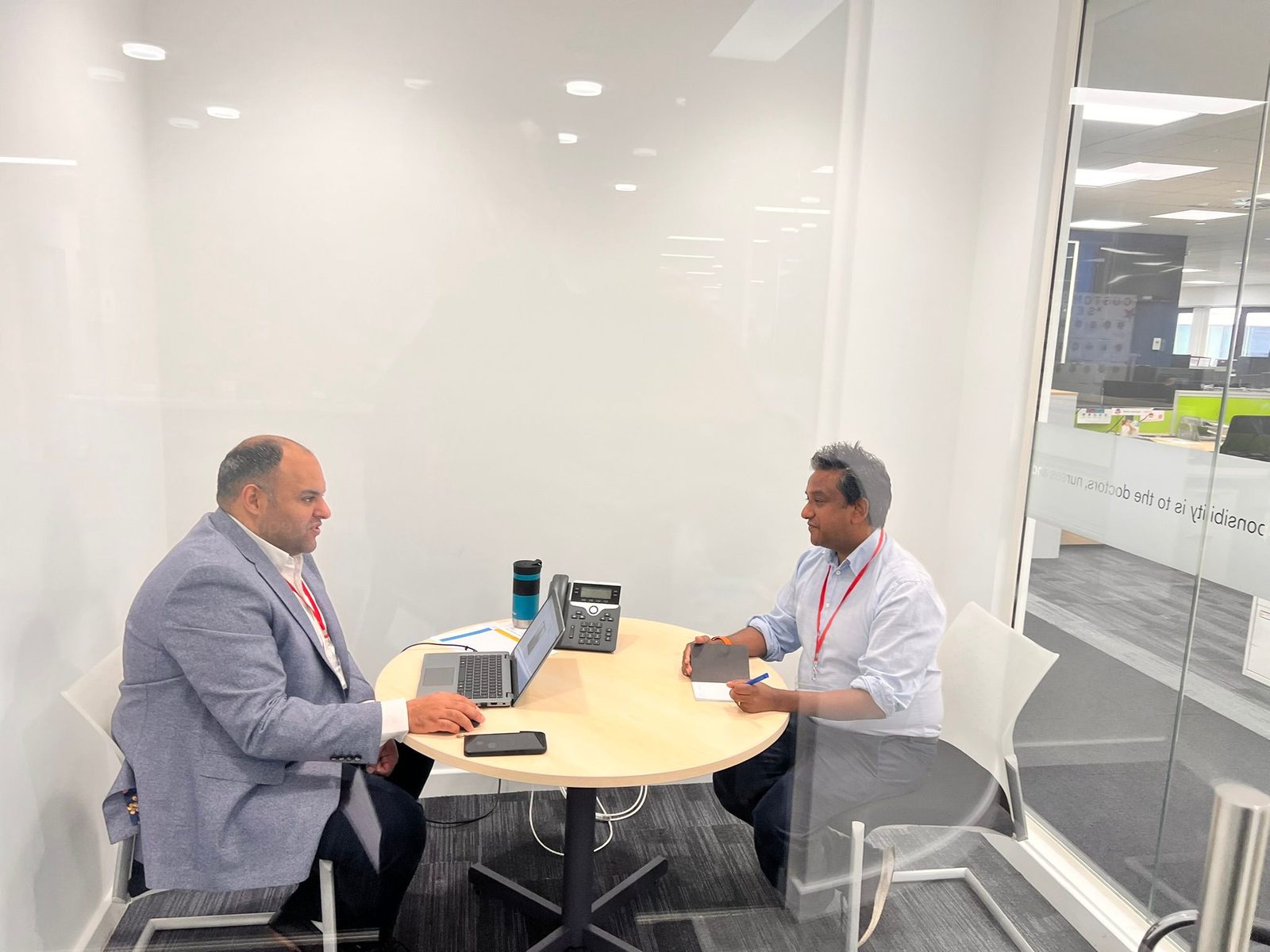
The examiner
An established consultant or subspecialty surgeon with examining and teaching experience, calibrated to the exact FRCS Section 2 standard. They ask the questions the board asks — and hold you to the standard the board holds.
The examiners who set the standard, and the surgeons who passed it last year — calibrated to one exam standard, and growing year on year.
The strength of this course is who delivers it — a deliberate pairing of two perspectives, calibrated to a single standard.
An established consultant or subspecialty surgeon with examining and teaching experience, calibrated to the exact FRCS Section 2 standard. They ask the questions the board asks — and hold you to the standard the board holds.
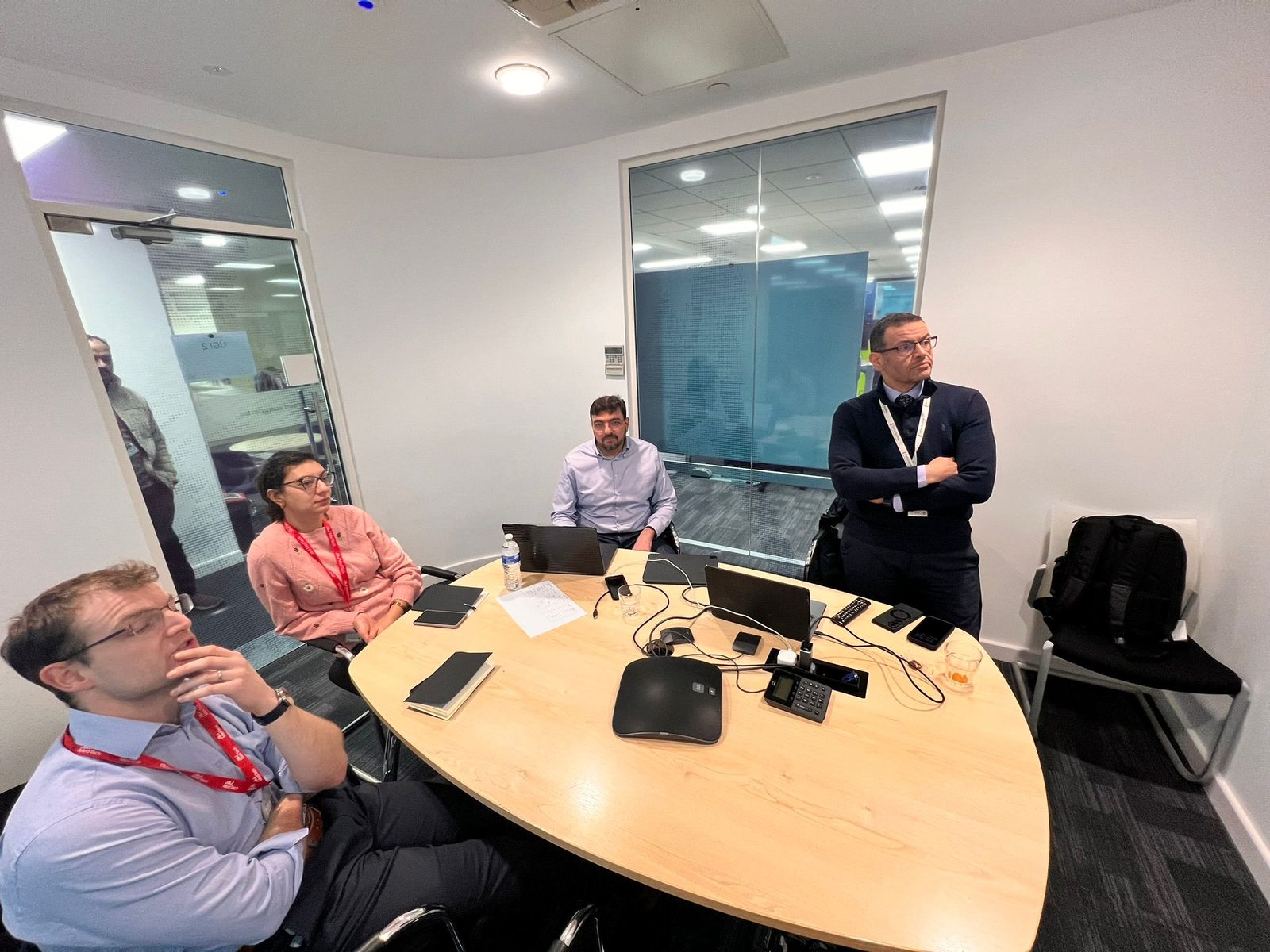
A surgeon who sat and passed Section 2 within the last 12–18 months. They know precisely what the exam feels like from the chair — and what changed in their own preparation that made the difference on the day.
Around 25 faculty support every course — briefed and calibrated together before you arrive.
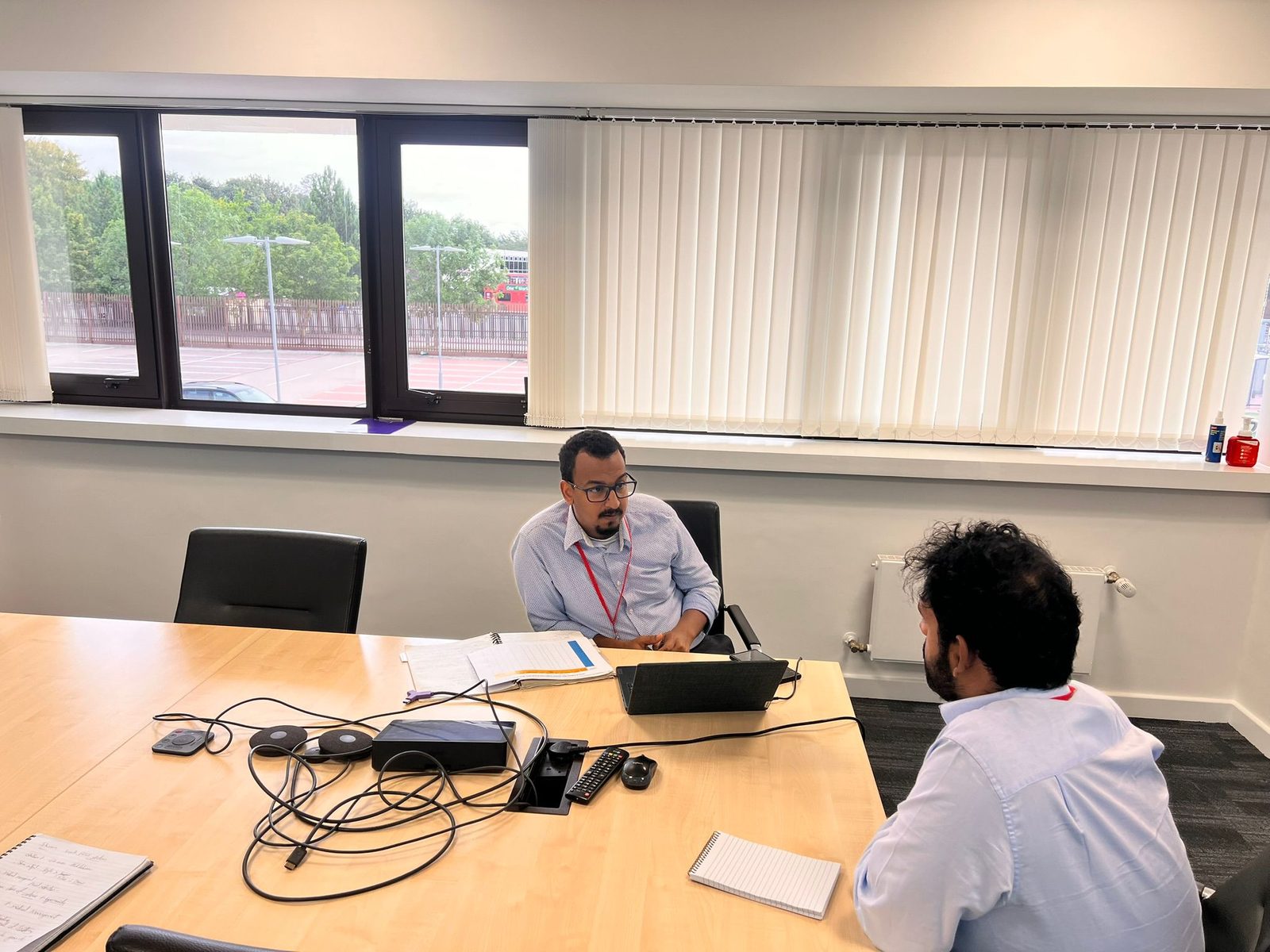
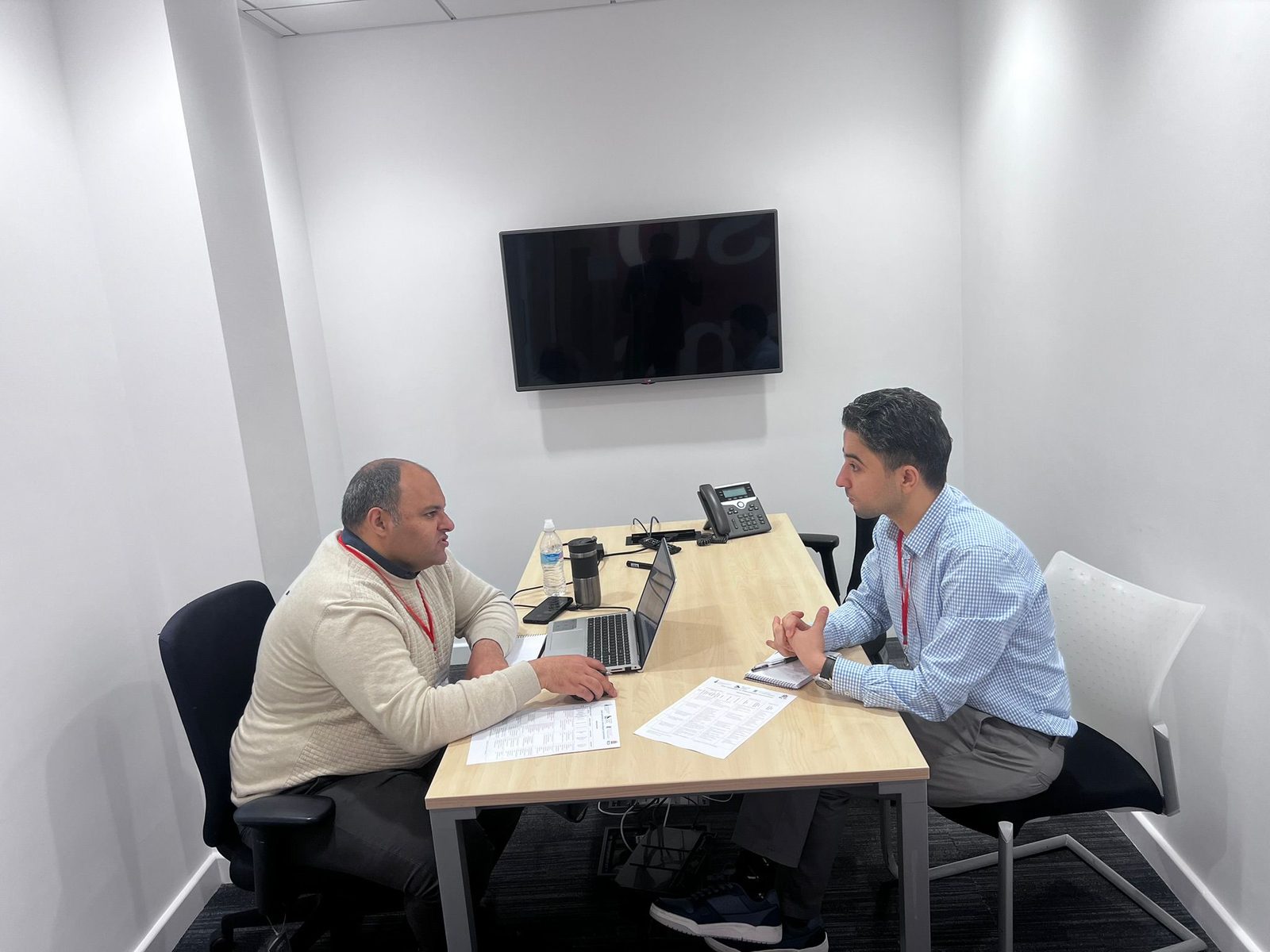
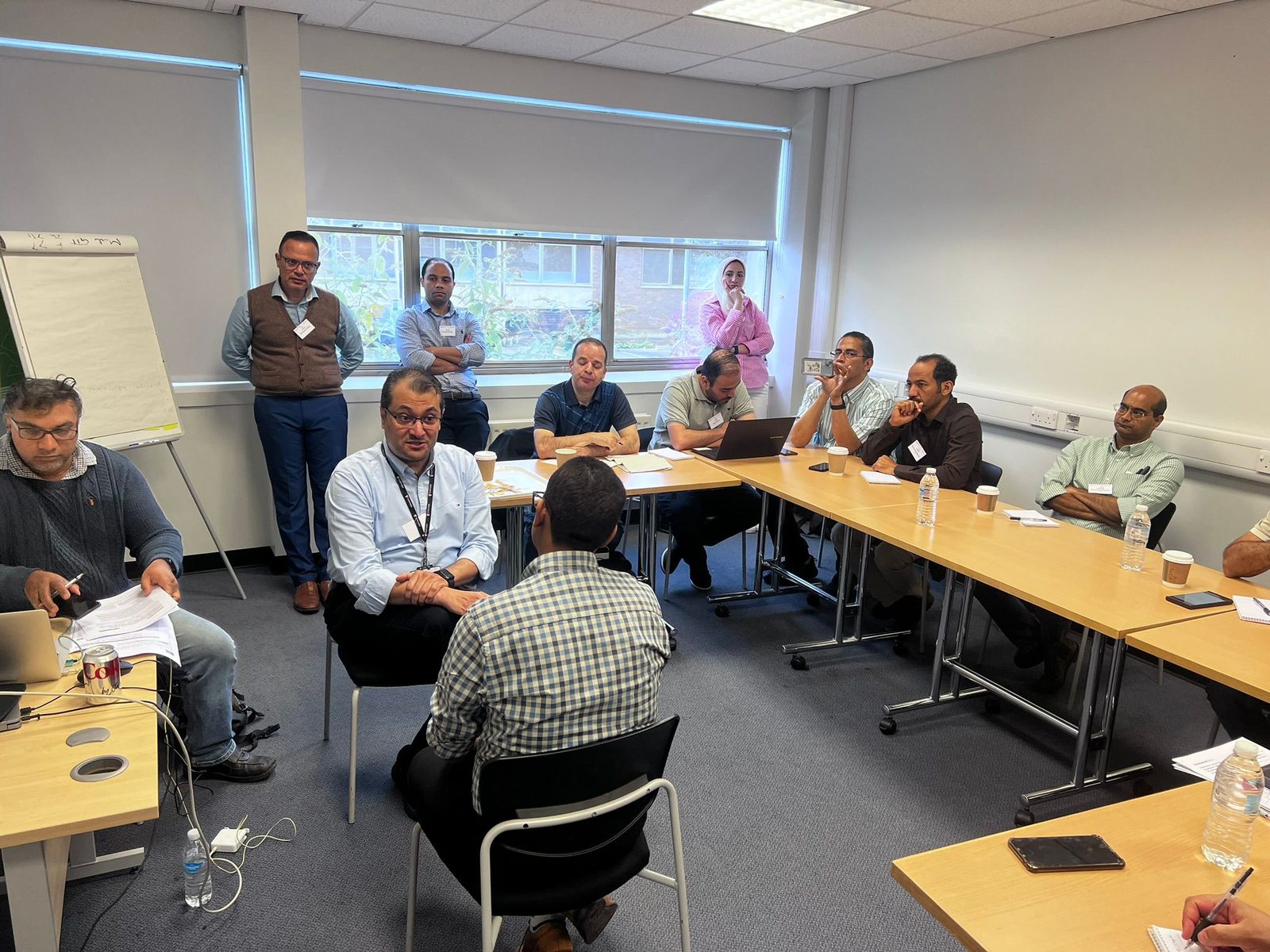
Senior consultants and recently-successful surgeons, calibrated together before every course.
What began with six faculty has grown into more than fifty faculty contributions — consultants and recently-successful surgeons who choose to teach here. A faculty you can hire. A movement you have to earn.
Four principles separate this course from generic preparation, and they are the reasons candidates rate it the way they do.
 01
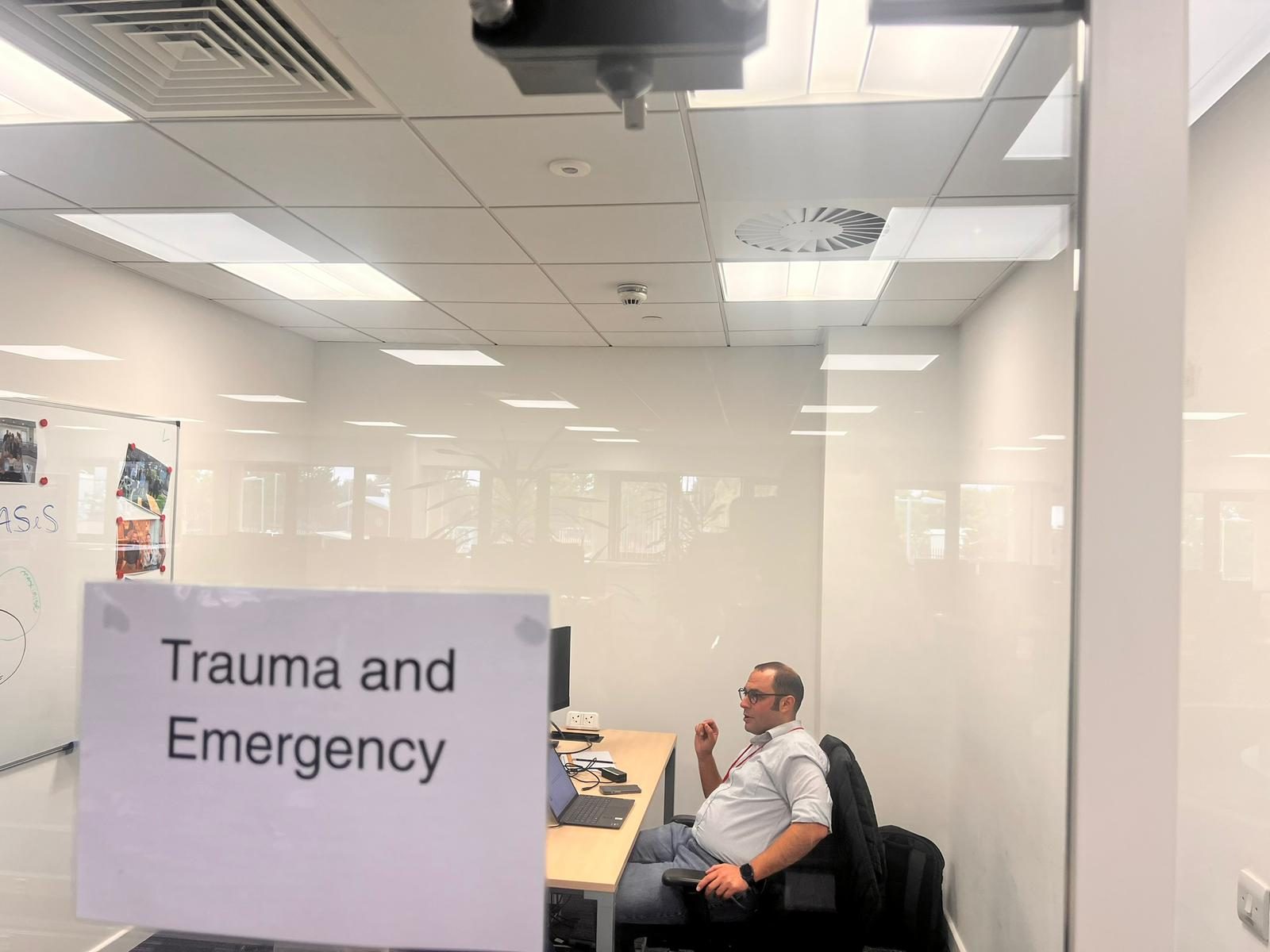
01A full station-based circuit, a 1:1 examiner ratio and strict time-keeping reproduce the real JCIE FRCS Section 2 day — repeatedly described by candidates as the closest replication of the examination available to them.
 02
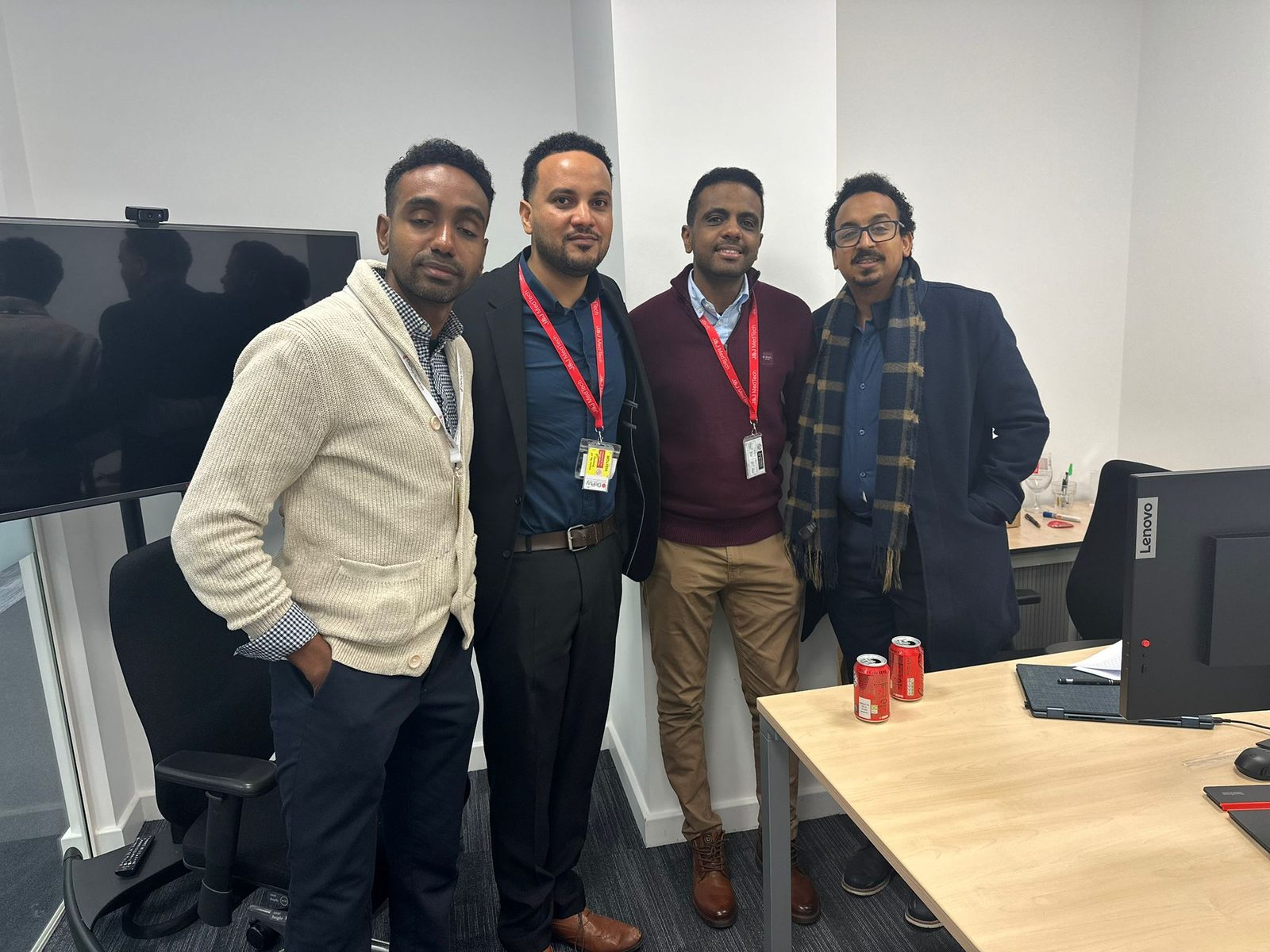
02Established consultant and subspecialty surgeons calibrate to the exam standard, while recently-successful candidates — within 12–18 months of passing — bring a current, lived view of exactly what the exam demands.
 03
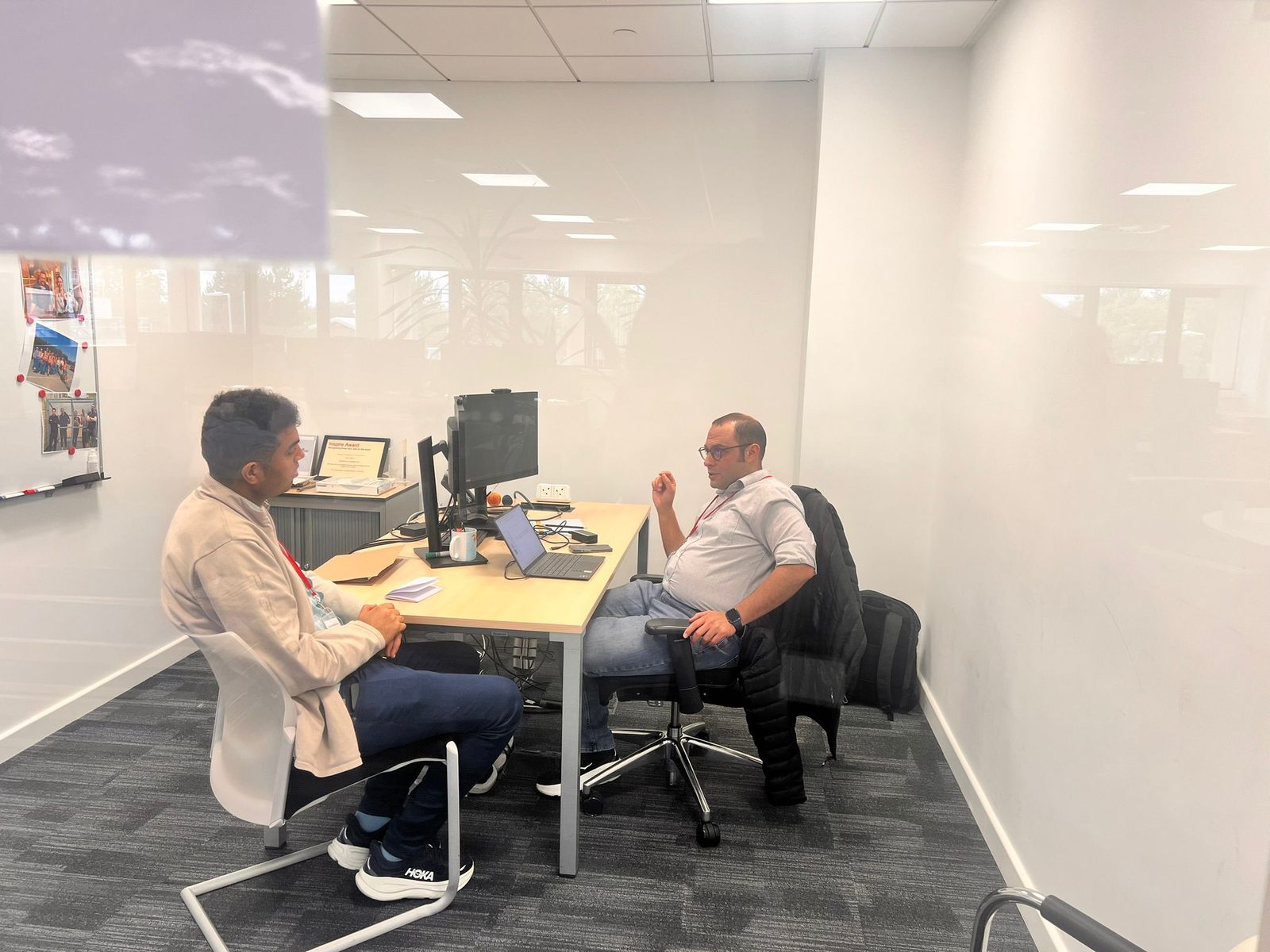
03Our most valued feature: targeted feedback on examination performance — structure, prioritisation, guideline use, pacing and communication — showing the precise changes that move an answer from borderline to a clear pass.
 04
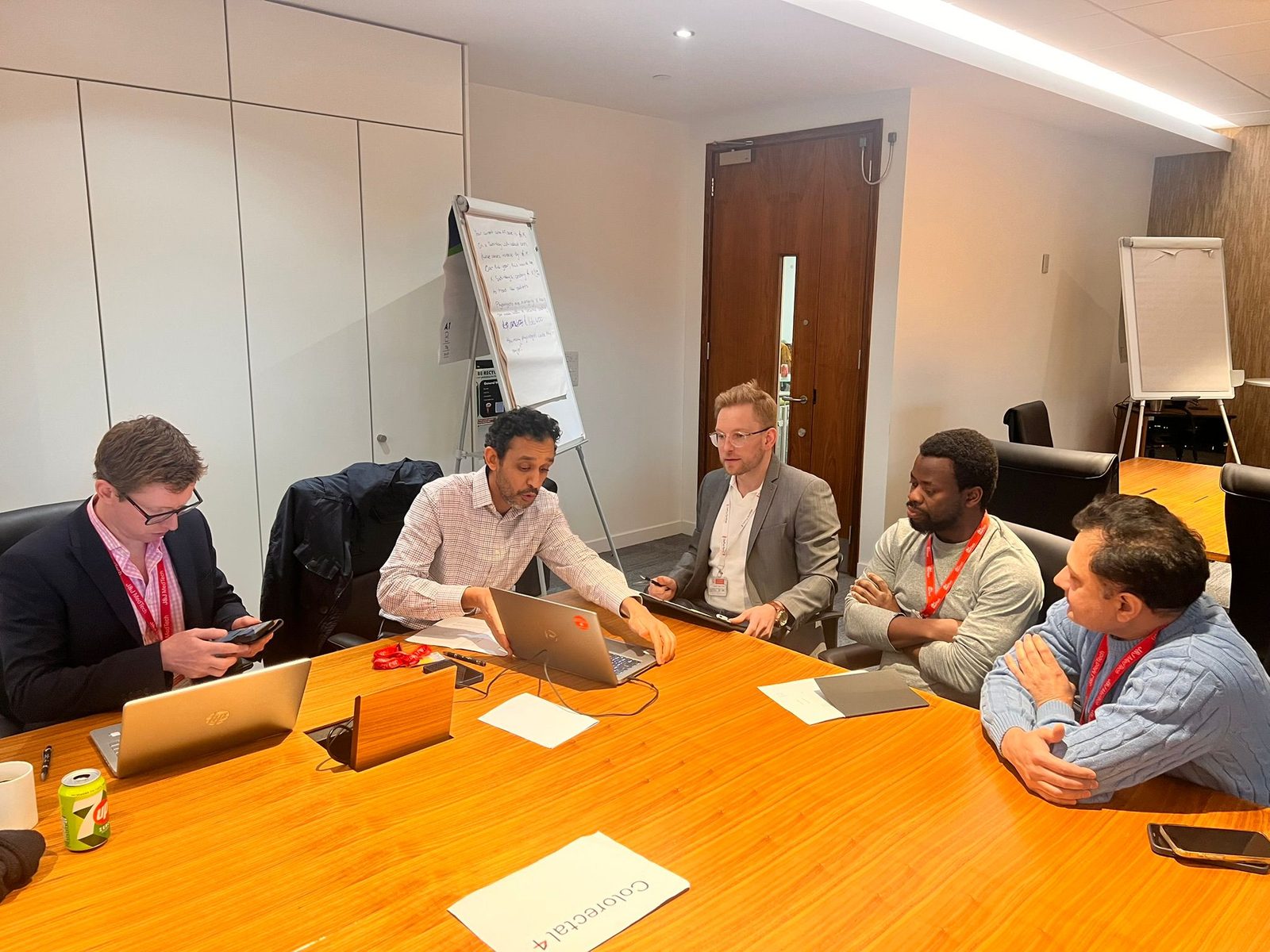
04Day-two breakouts let candidates work in small groups within their declared subspecialty — UGI/HPB, colorectal, breast and endocrine — so even less common backgrounds are fully served, not underserved.
Next course: November 2026